


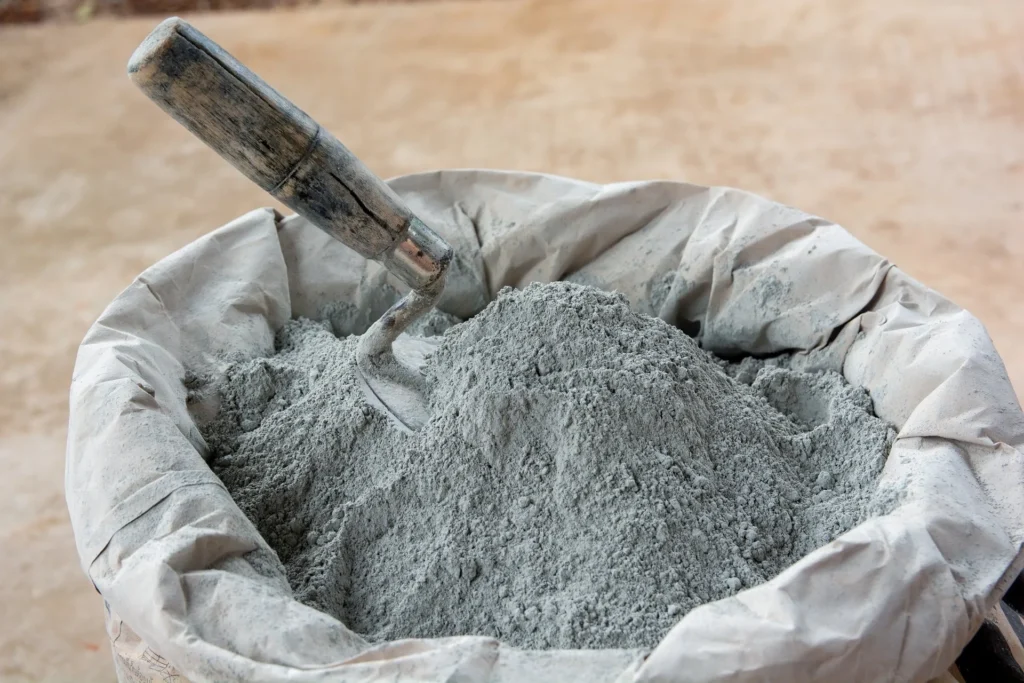

Cement is a crucial binding material in construction that acts as the glue holding together various building components like sand, gravel, and water to form concrete or mortar. It comes in several types, including Ordinary Portland Cement (OPC), Portland Pozzolana Cement (PPC), rapid hardening, and low heat cement, each designed to meet specific structural and environmental needs. Cement’s properties such as strength, setting time, fineness, and heat of hydration determine its suitability for different applications, from residential buildings to large infrastructure projects like dams and bridges. Its versatility allows it to be used for masonry work, plastering, waterproofing, and creating durable concrete structures that withstand weather, chemical exposure, and mechanical stress.
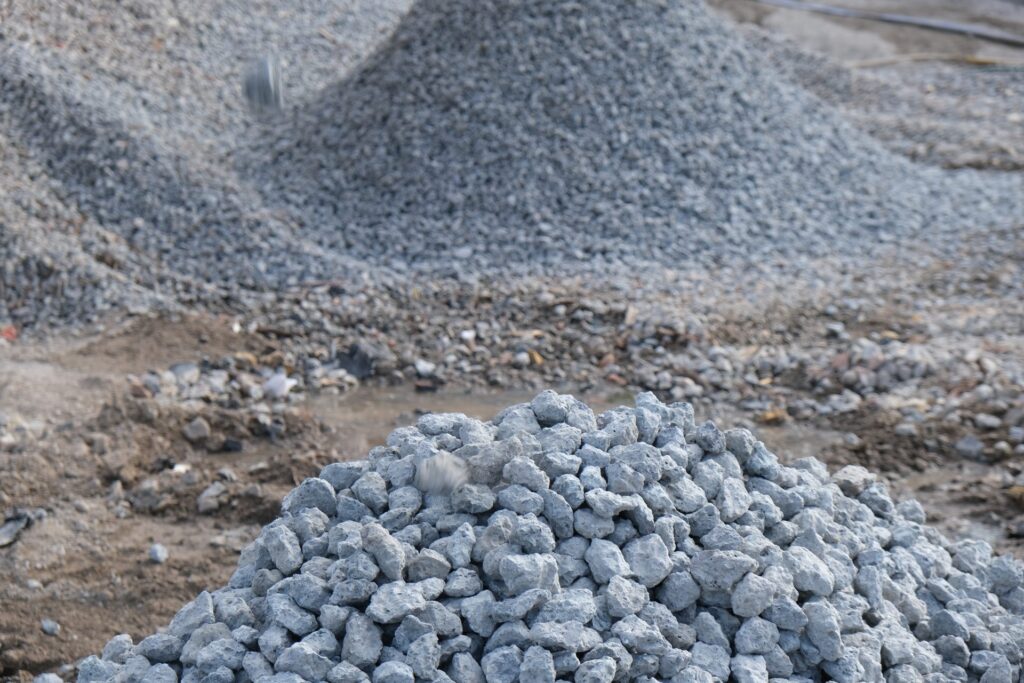

Aggregates are essential construction materials composed of sand, gravel, crushed stone, and recycled materials that provide strength, stability, and bulk to concrete, asphalt, and other building applications. They come in various types and sizes, such as fine aggregates like sand, which fill voids and improve workability, and coarse aggregates like gravel and crushed rock, which add structural integrity and durability. Aggregates are widely used in road bases, foundations, drainage systems, landscaping, and as decorative elements, adapting to both heavy-duty infrastructure and residential projects. Sustainable options like recycled aggregates from construction waste are increasingly popular, helping reduce environmental impact while maintaining performance standards.

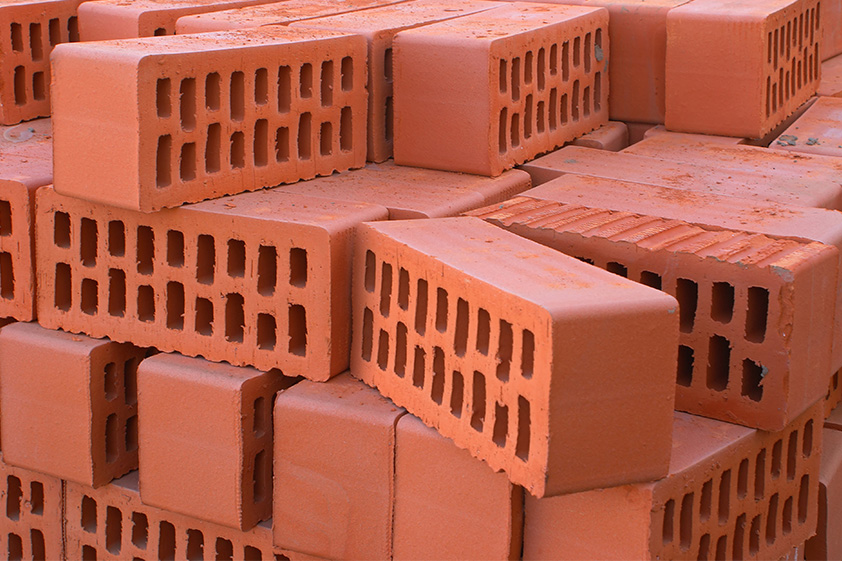
Bricks are durable, versatile building materials commonly used for constructing walls, pavements, and other structural elements. They offer excellent strength, thermal insulation, and aesthetic appeal, making them a popular choice in both residential and commercial projects. Available in various sizes, colors, and types, bricks can be selected to suit different architectural styles and functional requirements. Their long-lasting nature and fire resistance contribute to the overall safety and stability of buildings.
Steel reinforcement, commonly known as rebar, is a fundamental component in construction that significantly enhances the strength and durability of concrete structures. Concrete is strong in compression but weak in tension, so embedding steel reinforcement provides the necessary tensile strength to prevent cracking and structural failure. Rebar’s high tensile strength, ductility, and compatibility with concrete allow it to absorb tensile, shear, torsion, and bending forces, ensuring the stability and longevity of buildings, bridges, tunnels, and other infrastructures. Additionally, steel reinforcement offers benefits such as fire resistance, seismic resilience, design flexibility, and cost-effectiveness, making it indispensable in modern construction projects.
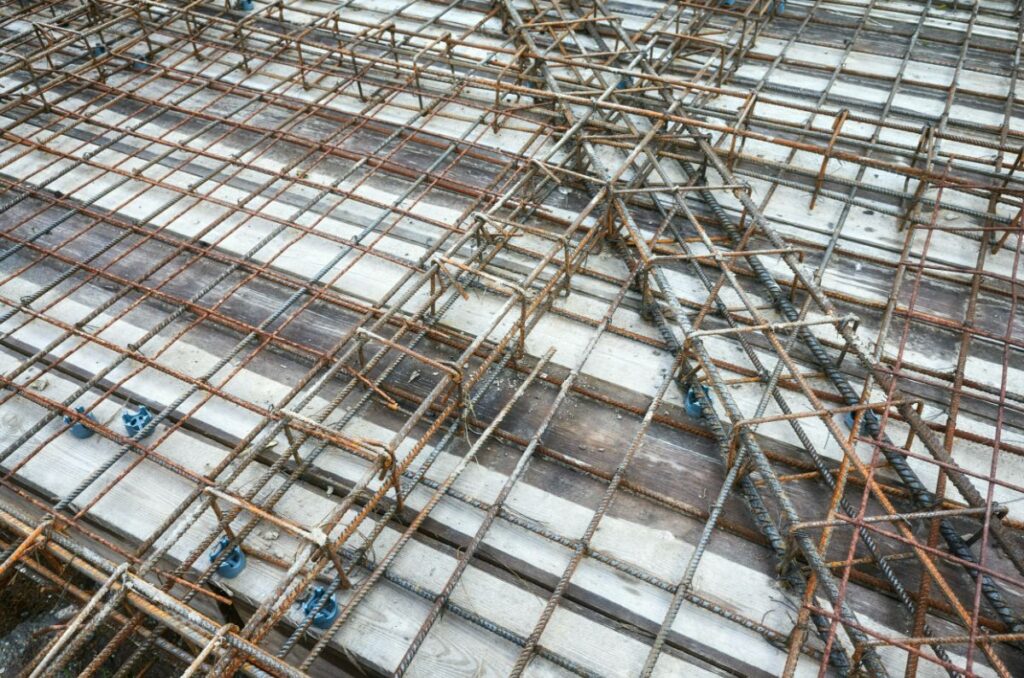
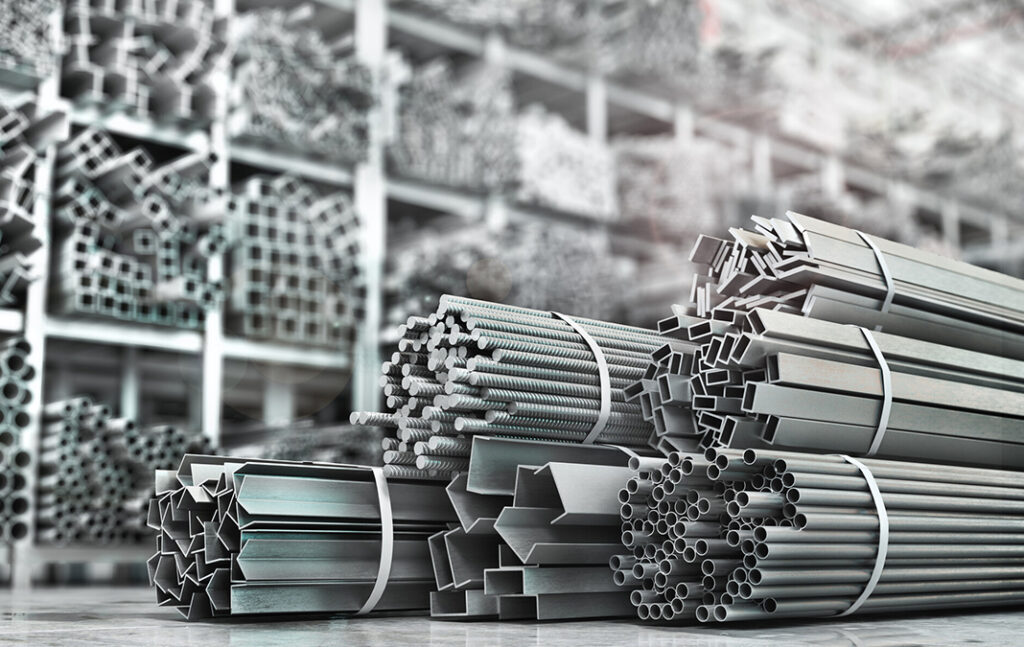
Metal is a fundamental construction and manufacturing material that provides strength, durability, and versatility across a wide range of applications. Acting as a structural backbone in buildings, bridges, vehicles, and machinery, metals such as steel, aluminum, copper, and iron are essential for creating frameworks, reinforcements, and precision components. Each type of metal possesses distinct characteristics—steel offers exceptional tensile strength, aluminum is lightweight and corrosion-resistant, copper provides excellent electrical conductivity, and stainless steel resists rust and chemical damage. Key properties like hardness, ductility, conductivity, and resistance to corrosion determine the suitability of metals for specific uses, from heavy industrial construction to fine architectural detailing. Metals can be cast, forged, welded, or machined into desired shapes, allowing flexibility in design and fabrication.